Child Development and Parenting Supports
Jessica is passionate about supporting families from preconception and beyond

Jessica is a passionate and down to earth Psychologist, Board Approved Supervisor, and mother of two. She began her career in psychology over 10 years ago, supporting children, parents, carers, and support staff within the foster care system. Jessica very quickly learnt the importance of deeply understanding and honouring our current understandings of child development, along with supporting parents, caregivers, and educators with the same. This passion only deepened as Jessica became a parent herself.

John Bowlby
Jeffrey Young
Gary Landreth
Dr Bruce Perry
Dan Seigel
Tina Payne Bryson
Mona Delahooke
Ross Greene
Stephen Porges
John and Julie Gottman
Alfie Kohn
Dr Adele Lafrance
Jessica is committed to her learning and growth. Beyond her education and training to become a Psychologist, Jessica’s work in the child development and parenting support space is influenced by renowned researchers, clinicians, and authors, including, though not limited to,
Human brain development is a long continuous process, beginning in-utero, occurring rapidly over the first 5 years of life, and reaching maturity in early adulthood.
As a social species, attachment and co-regulation are essential to healthy brain development, and hence to healthy child development (including emotions, behaviours, and developing skills and independence).
Children have an innate drive for growth and maturity, naturally from dependence to independence (well a healthy interdependence really, given our social nature).
In addition to their physiology, temperament, and experiences to date, a child’s development is further influenced by their experiences of
Attachment and security (including safety, stability, nurturance, and acceptance)
Opportunities to develop autonomy, competence, and an authentic sense of self
Freedom and support to express their needs and emotions
Spontaneity and play, along with
Healthy limits and boundaries (Young et al., 2006)
Children and teens do well, when they can. They communicate through behaviour and play. When we respond to surface behaviour (the ‘what’) without being curious as to what else is being communicated (the ‘why’), we can miss so much in terms of connection, security, and growth.
Children and teens grow and develop core capacities like emotion regulation, settling to sleep, and impulse control through repeated experiences, over time, of safe predictable environments, responsive relationships, regulating movement, and play.
Children and teens are not mini-adults, they deserve to be vulnerable, dependent, and supported to be their noisy, messy, restless, emotional, wonderful selves.
Discipline means ‘to teach’, not ‘to punish’. When we are challenged by a child or teens behaviour, it is up to us, as the adults, to expand our view from the child or teen to the whole circumstance and respond from a place of curiosity, compassion, and an understanding of the child or teens realistic neurodevelopmental capacity.
Healthy childhood development occurs when we move beyond rewards, punishments, fear, and prompt compliance, towards genuine connection, curiosity, co-regulation, and authentic cooperation.
When a child is born, so to is a mother, a father, the parents, a family. If we are to support children, we must start with supporting parents and families, across the lifespan.
To offer co-regulation to their child, a parent (or caregiver or educator or therapist) needs to have experienced, and continue to experience, that co-regulation support themselves.
There is no such thing as a perfect parent or perfect child, the goal is showing up authentically and imperfectly, repairing ruptures as they inevitably occur.
Key principles that guide Jessica’s support in the child development and parenting support space include:

Parental wellbeing and mental health
Sleep and settling challenges, including safe co-sleeping
Attachment, bonding, and co-regulation including emotion coaching
Co-parenting difficulties
Toilet training challenges
Flexible responsive and trust-based feeding approaches
Transition and adjustment to (or within) school
Sensitivity or big emotions
Difficult or big behaviours (e.g., ‘tantrums’, ‘meltdowns’, ‘defiance’, ‘rudeness’, ‘aggression’, ‘lying’, ‘stealing’)
Separation anxiety
School can’t or school refusal
Healthy limits and boundaries (e.g., screens/devices)
Flexible rhythms or routines
Childhood mental health difficulties (i.e., anxiety, depression, psychosis, obsessive-compulsive disorder)
Stressful or traumatic experiences (including medical trauma)
Healthy family relationships over time
Balancing care and protection with healthy autonomy and independence, particularly leading up to and during the teen years
Reparenting while parenting
Reparative or trauma informed parenting
Low demand parenting
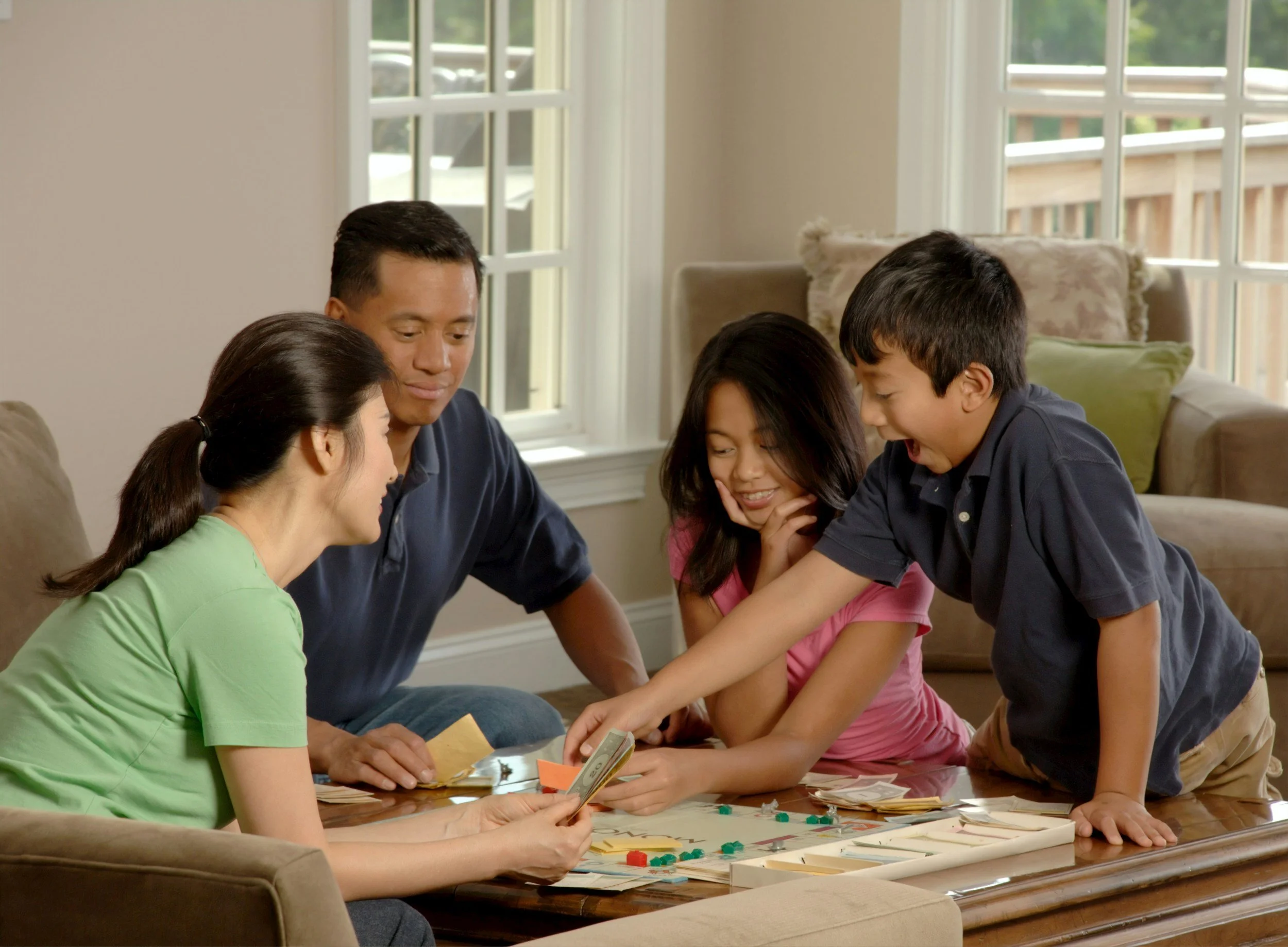
Jessica appreciates the privilege of supporting families in their journeys related to:
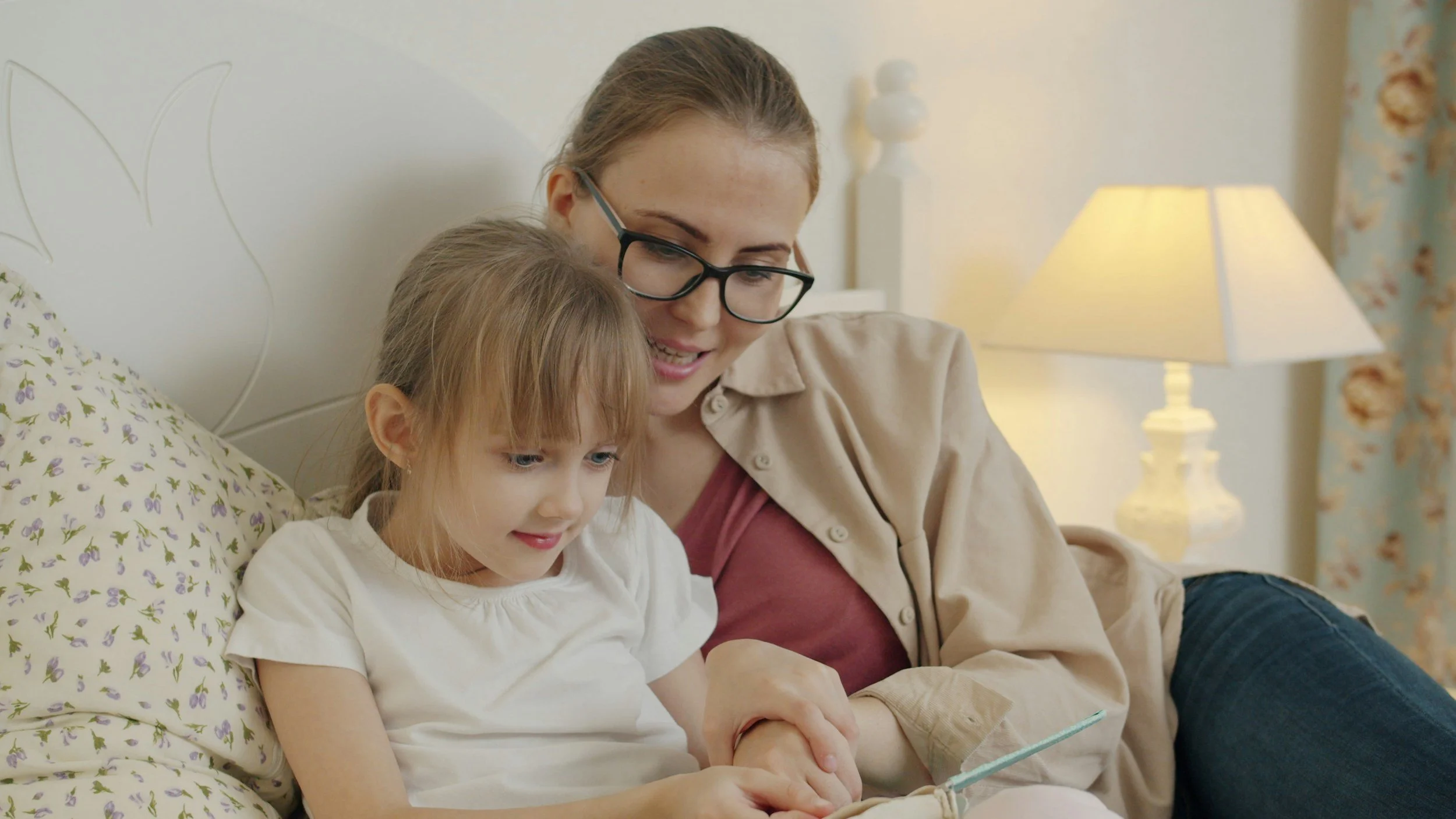
Jessica’s child development and parenting supports are trauma informed and neurodiverse affirming, grounded in current understandings from attachment theory and neuroscience. Jessica believes in your families innate capacity to cope and flourish no matter the circumstance. She truly believes that it takes a village to raise a child and would love to form a part of your village for as long or as little as you and your family might need.